
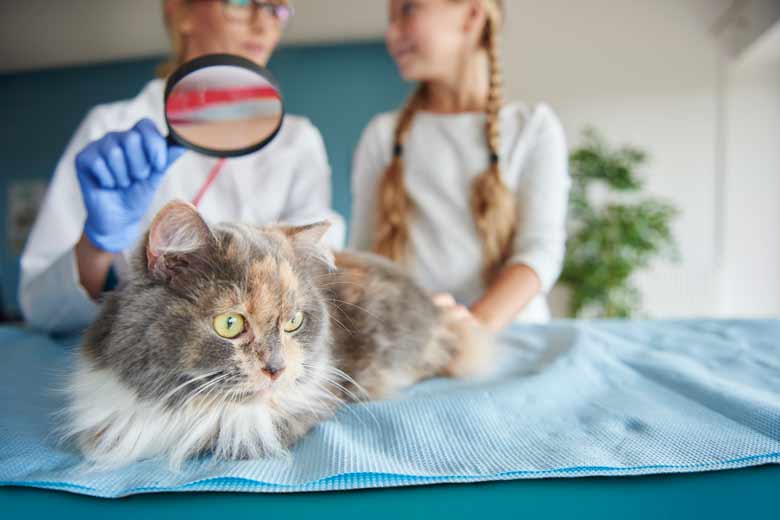
Feline Lower Urinary Tract Disease (FLUTD)
Is a disease that results in inflammation of the bladder (cystitis) and/or the urethra (urethritis). The condition may result in partial or complete obstruction of the urinary tract preventing your cat from being able to pass urine and empty their bladder. Urinary obstructions are life threatening and require immediate treatment. Without intervention bladder rupture and…
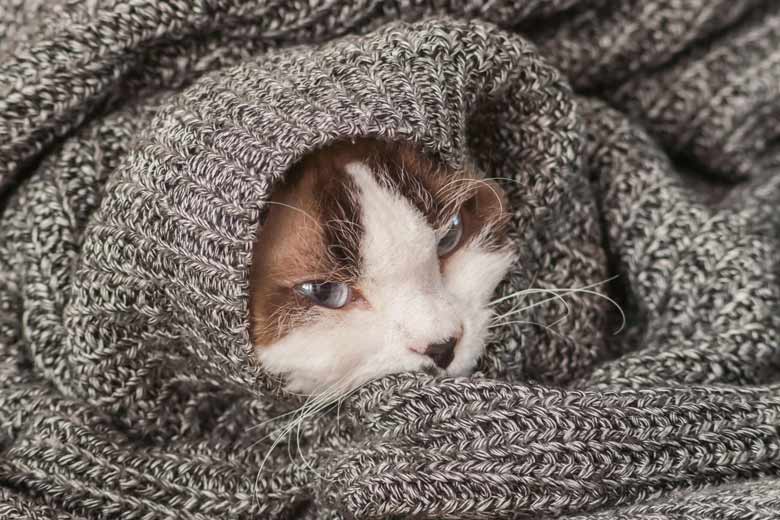
Cat flu or Feline Respiratory Disease
Is caused by one of many strains of two viruses, a herpes virus and a calicivirus. It is spread by contact with an infected cat; or contact with infected objects, such as combs, food & water bowls, bedding, owner’s hands etc.; or inhaling infected air. The clinical signs appear from 1-10 days after exposure, and…
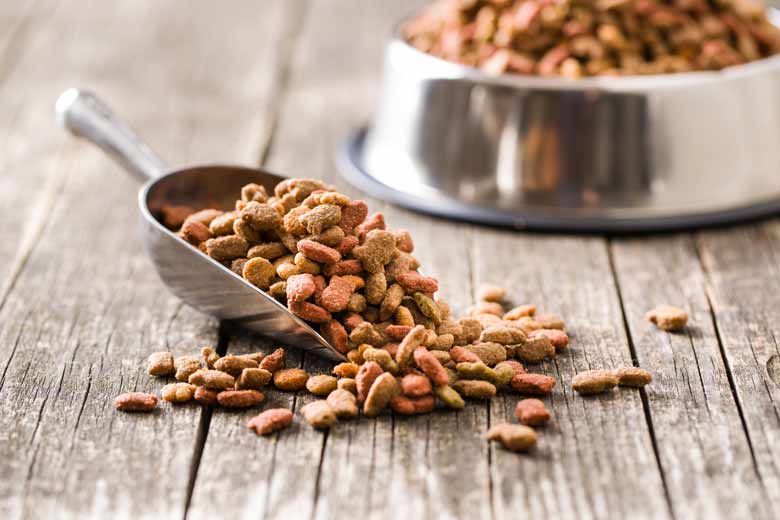
Food allergies and food intolerance
Just like people, dogs and cats get allergies and intolerances too. They can cause one or more of the following signs: itchiness, rashes, diarrhoea, vomiting, hair loss, red ears and reoccurring ear infections. Pets can become allergic and/or intolerant to protein in food, treats or table scraps. They can develop skin problems, such as rashes, itchiness, reddened ears and hairloss, or gastrointestinal…